Abodu ADU Design & Permitting: The San Diego Owner’s Guide
If you own an Abodu ADU in San Diego and the design or permitting phase has stalled, you’re not alone. We handle Abodu design refinement and full permitting work throughout San Diego County, with most design-and-permitting packages landing between $4,500 and $9,800 depending on your lot’s slope, soil report needs, and how many city review cycles your project triggers. Most owners discover the problem when the city returns a correction notice on a permit set they thought was already approved, or when an Abodu site plan doesn’t match what San Diego’s Development Services Department actually measures on the ground.
We’re an independent San Diego builder, not affiliated with Abodu, but we’ve worked through enough Abodu permits to know exactly where the process hangs up. If you’ve got a set of drawings sitting in review limbo, a fee estimate that keeps climbing, or a site constraint the original design never accounted for, this page walks you through what went wrong, what it costs to fix, and how we approach the work differently.
Which Abodu Models This Applies To
Our design and permitting work applies to every Abodu model line sold in California: the Studio, the One Bedroom, and the Two Bedroom. Each uses Abodu’s standard 12-foot-wide module spec with lengths running from 20 to 38 feet depending on configuration. The permit package differences matter more than the model differences. A Studio on a flat City of San Diego lot is a different permitting animal than a Two Bedroom on a hillside in La Mesa or Lemon Grove, where grading and retaining wall details trigger additional reviews.
The easiest way to identify which path you’re on: look at your site plan’s foundation type. Abodu units typically specify a pier-and-beam foundation, but San Diego’s geologic zones sometimes require a slab-on-grade conversion, and that single change ripples through the permit set. If your lot sits in a liquefaction zone, a slope over 25%, or within 100 feet of a canyon rim, expect a soils report and possible engineering revisions before the city will even accept the submittal. We’ve pulled permits for Abodu units everywhere from Kensington to Chula Vista, and the canyon-adjacent lots are where we most often see first-round corrections come back.
On the OEM-vs-aftermarket question: for the structure itself, there’s no aftermarket equivalent. Abodu’s panels, framing, and MEP rough-ins are proprietary to their factory spec. But the permitting documents, the foundation engineering, the Title 24 energy compliance package, and the site utility plans are all produced by third-party design professionals, and that’s where we step in. We work with the engineers and Title 24 consultants directly so you’re not paying Abodu’s coordination markup on every revision cycle.
Signs Your Abodu ADU Design & Permitting Is Failing
- Your permit set came back with a correction list longer than the drawings. This is the most common failure we see. The original design didn’t account for San Diego’s specific fire sprinkler requirements, or the landscape plan didn’t include the water-efficient irrigation schedule DSD requires. Every correction costs you another review cycle and another fee.
- The city says your foundation isn’t engineered for your soil. Abodu’s standard foundation package assumes certain soil bearing capacities. If your lot has expansive clay or fill dirt, the original calc may not pass. You’ll need a geotech report and a revised foundation design before the permit can move.
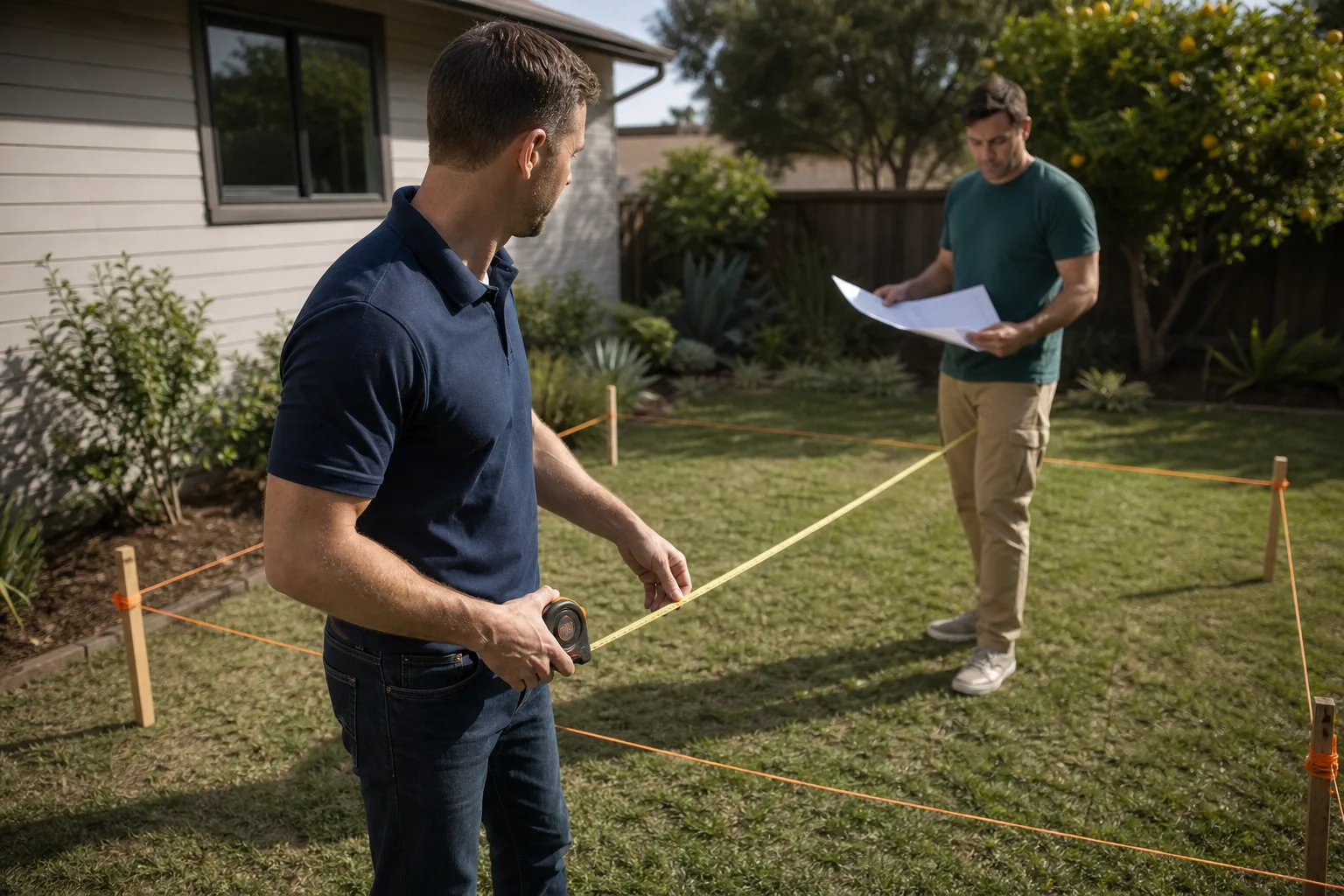
- Your site plan doesn’t match the actual property. Setbacks, easements, protected trees, even the location of your sewer lateral can all push an Abodu unit out of the footprint shown on the original drawings. When the city’s aerial review doesn’t line up with the site plan, the submittal stalls.
- Fees keep climbing with no clear end date. San Diego charges planning review fees, building permit fees, school impact fees, and utility connection fees. If nobody gave you a written breakdown at the start, you’re likely paying for revision resubmittals that should have been caught in a pre-submittal review.
- Your project has been in review for over 90 days. For a straightforward single-ADU permit on a flat lot, San Diego’s Development Services Department typically issues within 60 to 120 days. Beyond that usually means unresolved corrections or a missing document nobody flagged. Your permit package is failing quietly, and every week costs you construction schedule time.
Replacement Cost & What’s Included
In San Diego, Abodu ADU design and permitting work generally runs:
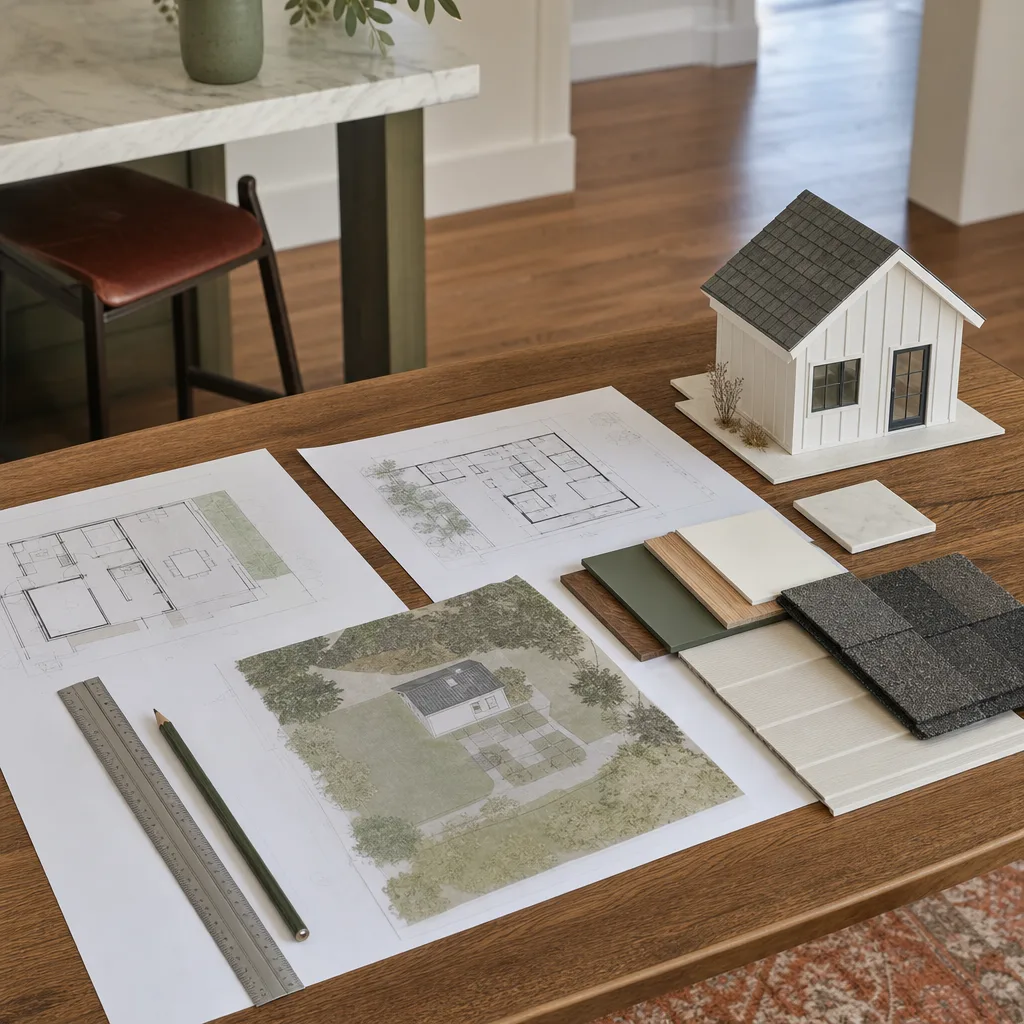
- Design refinement and permit set revision: $2,800 to $5,500
- Full permitting package (design, engineering, Title 24, submittal, and city liaison work): $4,500 to $9,800
- Soils report (if required): $1,200 to $2,400
- Minor grading or retaining wall engineering (if required): $1,800 to $4,500
- City permit fees (paid to the municipality, not us): $3,000 to $12,000 depending on the unit size and location
What drives the range is your lot, not the Abodu model. Slope, soil, tree protection, and whether your sewer line needs a new lateral connection all move the number. We write every line item down before any work starts, so you know the number before the shovel moves. And every permit package we complete is covered by our 365-Day Done Right Promise: if a correction comes back that we should have caught, we fix the drawings and resubmit at our cost.
DIY or Call Us?
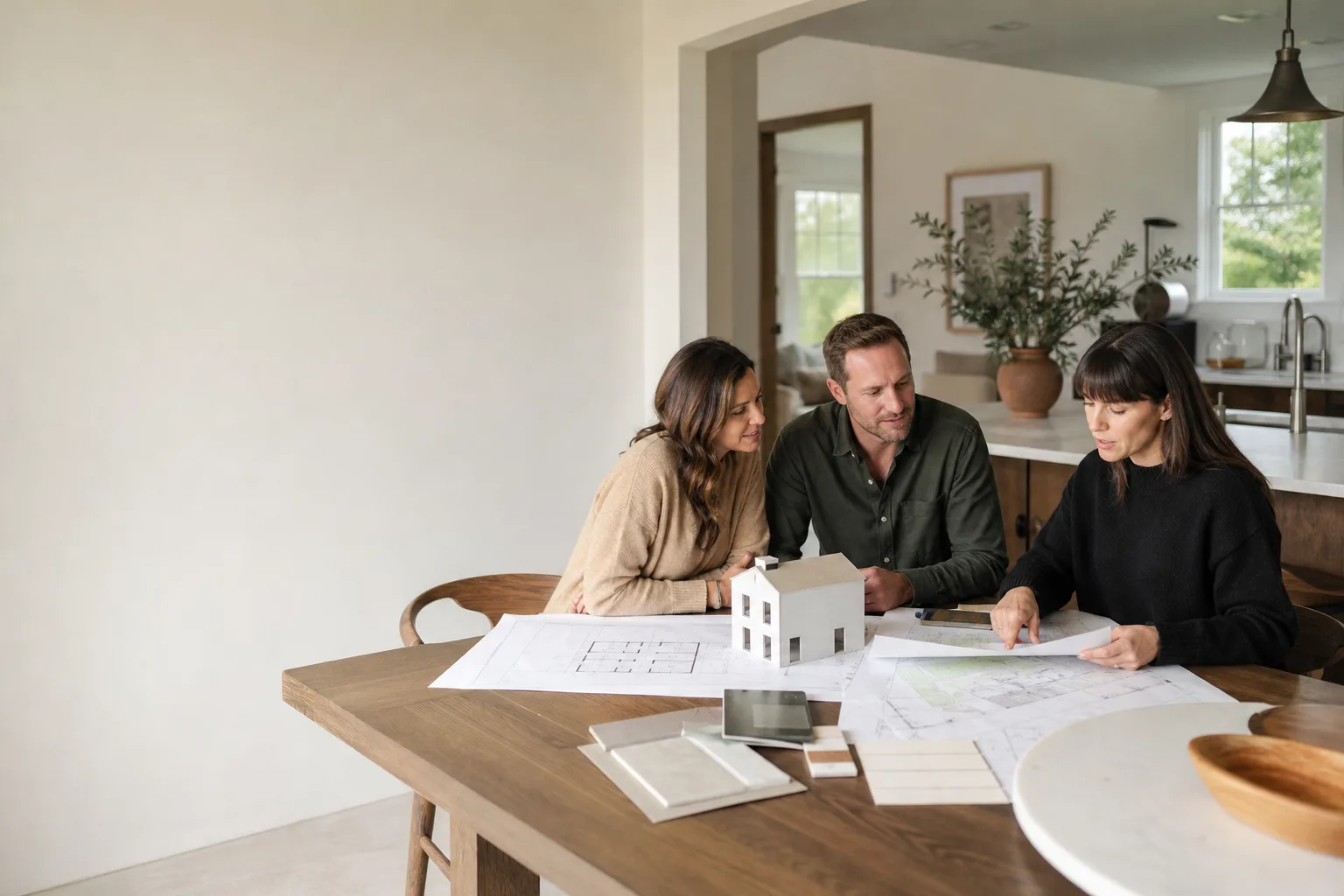
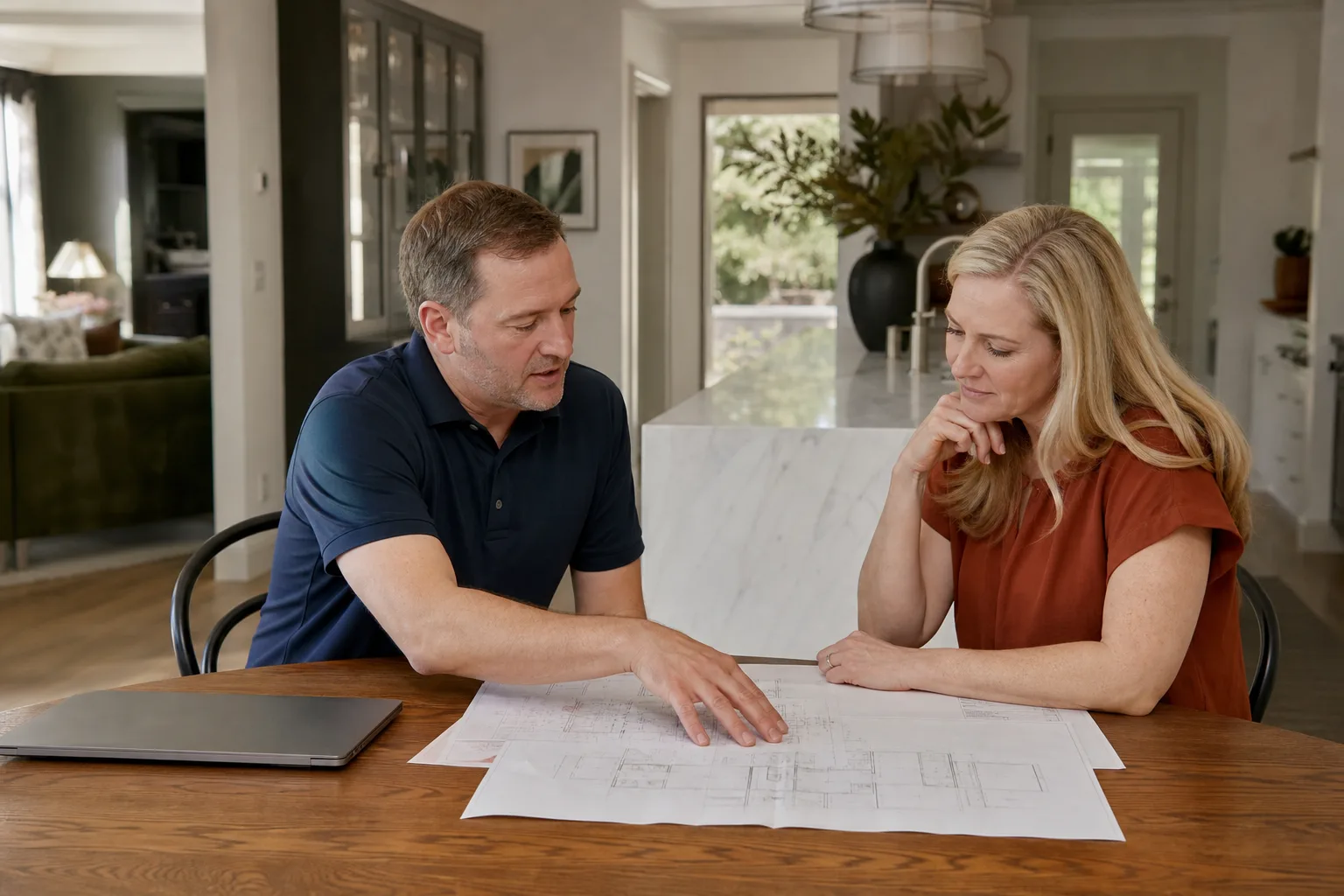
Here’s the honest split. You can absolutely review your own permit status online through San Diego’s OpenDSD portal, check your fee schedule, and read the correction notes the city has posted. That’s worth doing if you want to understand where your project stands. You can also pull your own property records and measure your setbacks against the city’s ADU requirements.
Where DIY goes wrong is on the drawing revisions. Resubmitting a flawed plan after correction just triggers another review cycle and another fee. If the correction involves structural engineering, Title 24 compliance, or a foundation change, that’s work a licensed professional has to sign off on. No permit is dangerous to attempt, but a wrong plan is expensive to correct. If your Abodu permit is stalled, call Ben Ortega at (858) 988-6447. We’ll look at your correction notice, give you a written plan to get through review, and tell you exactly what it costs before you spend another dollar on fees.
FAQs
For a complete, clean permit package, most San Diego Abodu ADU permits issue within 60 to 120 days from submittal. If your package has been in review longer than that, call us and we’ll help you figure out what’s holding it up.
Most stalled Abodu permits in San Diego can be salvaged. We rarely start from zero. Usually the fix is a revised sheet or two, a new engineering calc, or a corrected site plan, and those changes ride on top of the existing submittal rather than replacing it.
Typically three to six weeks depending on what the city correction requires and whether a soils report is needed. If an engineer has to re-stamp structural drawings, add another week or two. We’ll give you a written schedule with your estimate.
Yes. We work in the City of San Diego, Chula Vista, National City, La Mesa, Lemon Grove, El Cajon, and unincorporated San Diego County. Each has slightly different ADU rules, and we know which city asks for what.
If you’re in San Diego and your Abodu ADU is stuck in the design or permitting phase, we’re here to move it forward. Call (858) 988-6447 for a free consultation and a written breakdown of what it will take to get your permit approved. We’re a live person on the phone, 24/7, and we’ll walk you through exactly what we see.
Written by Ben Ortega, Owner, Seedling ADU San Diego at Seedling ADU San Diego, serving San Diego and nearby areas.