Abodu ADU Builders in San Diego: What to Know First
Seedling ADU San Diego provides independent Abodu ADU builders and installation services across San Diego, from site prep and foundation work through final finish and handover. Most Abodu projects we manage run 6 to 10 months from permit submission to move-in, depending on lot conditions and utility work. Every project gets a written price before any work starts, so you know the number before the shovel moves. If you own an Abodu ADU or are planning one, call (858) 988-6447 and we’ll walk you through what your site actually needs.
This page is for San Diego homeowners who have already chosen Abodu, or are seriously weighing Abodu against other prefab options. We’ll tell you what we’ve learned on actual Abodu jobs from Chula Vista to Oceanside, what tends to go wrong, and what the work costs.
How Abodu Products Fail – and How We Fix Them
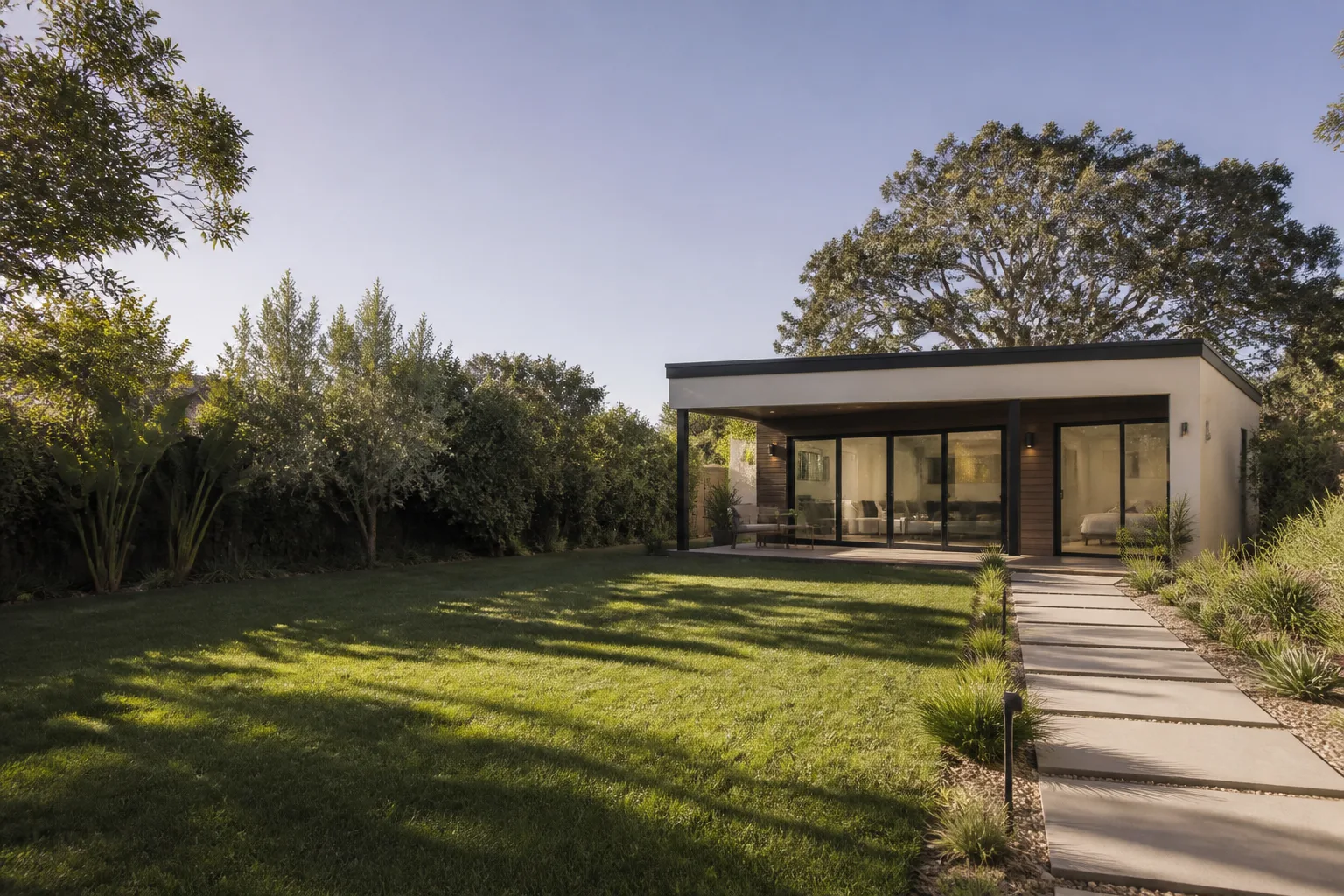
Abodu builds a solid product. The units are engineered in California and arrive on site in two or three modules, which is why the brand works as well as it does in San Diego’s tighter lots and hillside parcels. But no ADU is perfect, and after several years of installing and servicing them here, we know where problems show up.
- Module seam settling on the Abodu Studio and One. San Diego’s clay-heavy soils in neighborhoods like Clairemont and Mission Valley expand and contract with rain and drought. That movement shows up first at the marriage line where modules connect. You’ll see hairline drywall cracks at the seam, occasionally a slightly sticky interior door near the middle of the unit. We re-level the foundation piers, refasten the seam per Abodu’s construction manual, and patch the drywall so the crack doesn’t return in the next wet winter.
- Improper foundation tolerance from a prior installer. Abodu’s spec calls for very tight pier tolerances, and we’ve taken over jobs in San Diego where a previous contractor poured or set piers 3/4 inch off level. The unit arrives, the modules don’t align, and someone starts forcing bolts. We survey the foundation with a laser before delivery, and if it’s out of spec we correct it before the modules ever leave the truck. That one step saves most of the warranty headaches we see.
- Elevated foundation exposure on hillside lots. Abodu units on raised foundations in areas like La Mesa or Mount Helix leave the underbelly exposed to wind and moisture. Over time the factory-installed underfloor insulation can sag or wick moisture. We inspect the belly board on every install, and where exposure is a concern we add a perimeter skirting solution that still vents properly. It’s not a factory option, but it extends the life of the floor system in San Diego’s marine layer zones.
- Exterior siding maintenance around ocean air. Abodu’s cladding is durable, but homes within a mile or so of the coast in areas like Point Loma and Encinitas pick up salt film faster than inland lots. We recommend a twice-yearly rinse and inspect caulking at window and door openings more frequently on coastal Abodu units than inland ones. Resealing at year three or four prevents the kind of slow water intrusion that shows up as interior staining much later.
- HVAC sizing on sun-exposed lots. Abodu’s standard mini-split package is sized for typical exposure, but a south-facing unit with no shade in places like Rancho Bernardo or Santee can struggle in August. We’ve seen interior temps hold at 84 degrees on week-long heat waves. On those jobs we work with the homeowner to add shading, upgrade to a larger cassette, or add a second zone before move-in. It’s cheaper than retrofitting a year later.
Our Abodu ADU Builders Process
- 1
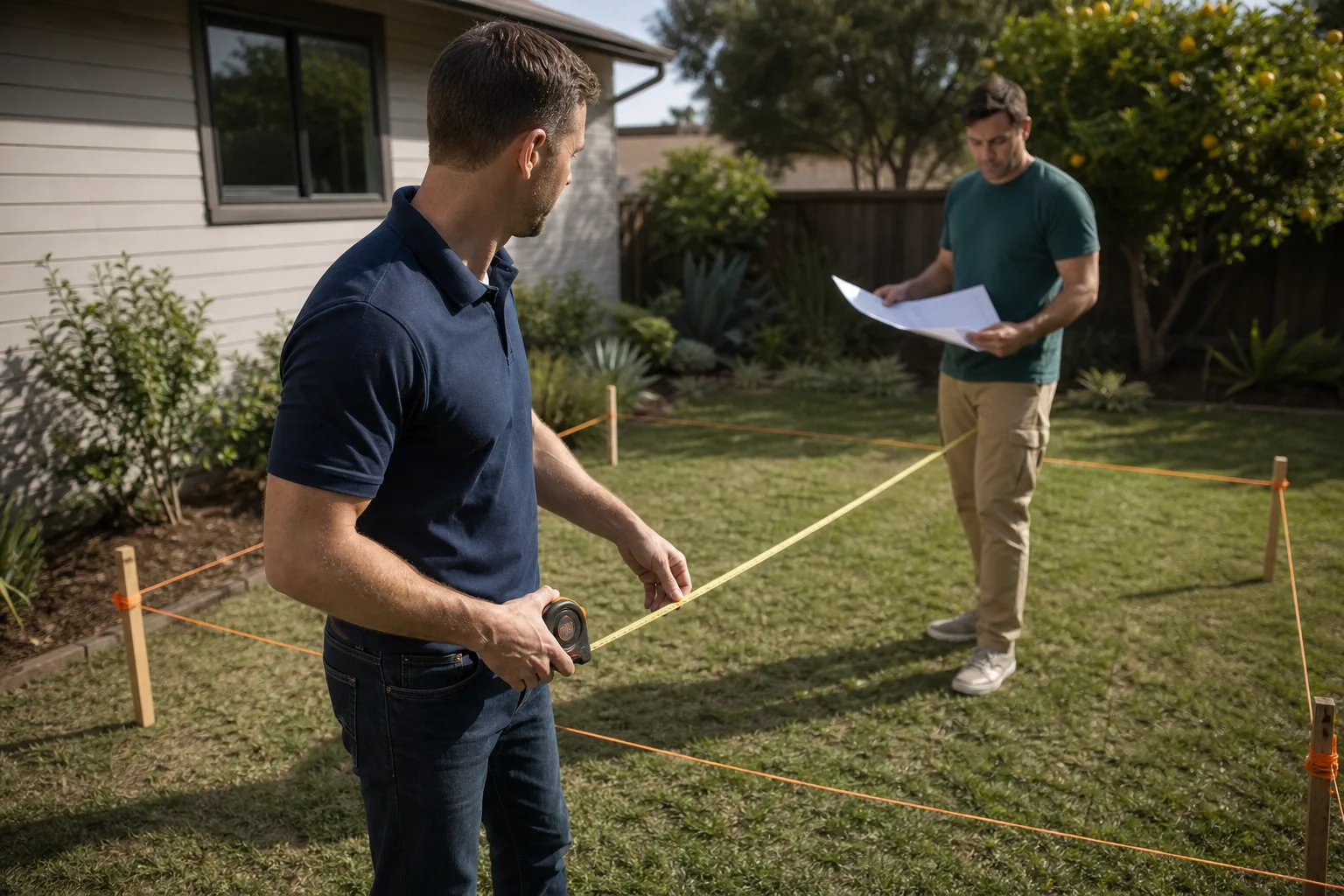
Site walk and honest assessment. Ben Ortega walks the property with you, looks at access, slope, setback lines, and utility locations. We tell you what will and won’t work before you spend money on plans.
- 2
Written price before anything moves. You get a line-item price covering site prep, foundation, utility rough-in, module set, finish work, and permits. No allowances that balloon later.
- 3
Permit handling. We pull permits with the City of San Diego or your local jurisdiction, schedule inspections, and handle corrections. Ben knows the San Diego permitting process well enough that our corrections are rare.
- 4
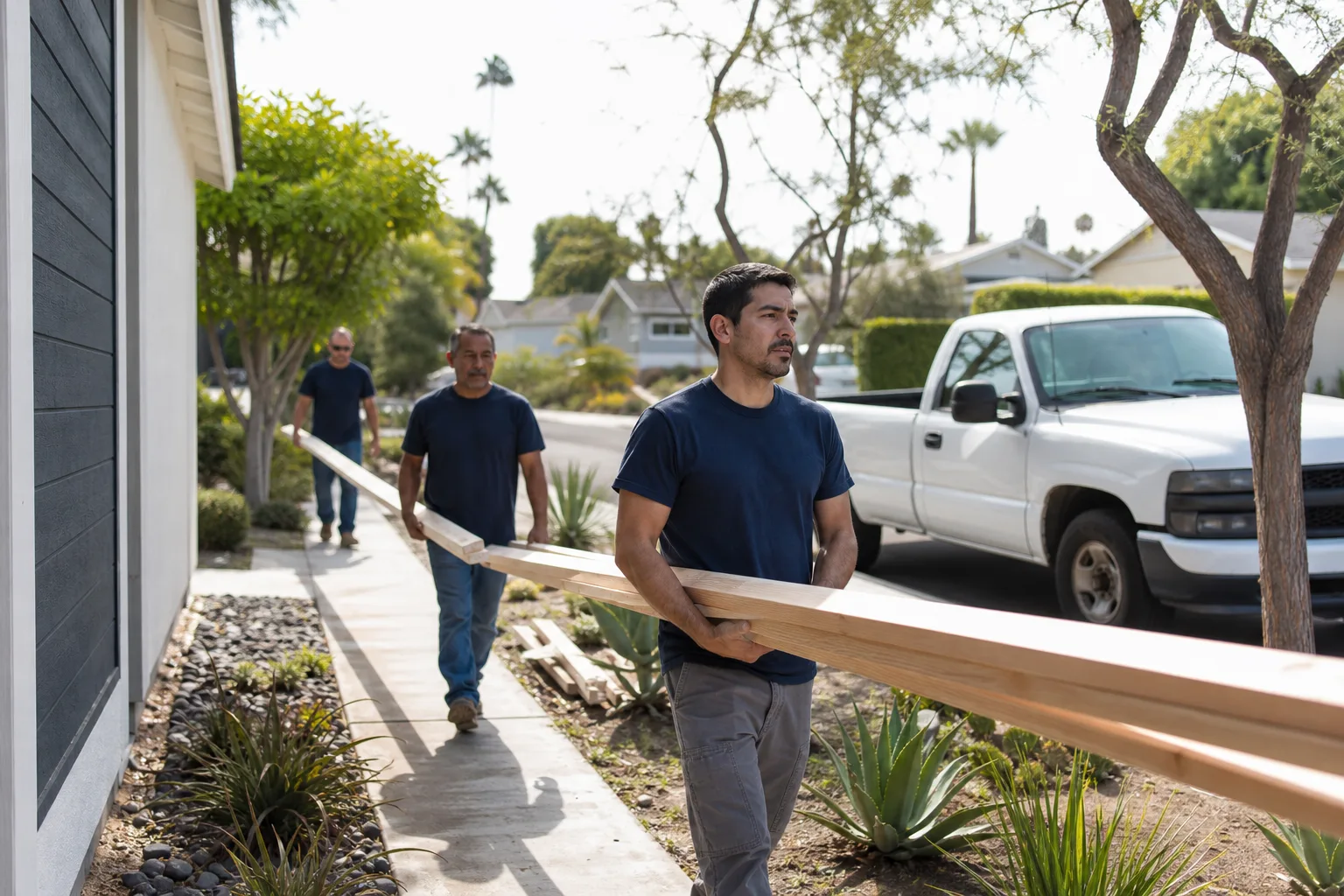
Site prep and foundation. We clear, grade, dig, and set the foundation system to meet Abodu’s tolerance spec. We verify it with a laser before delivery day.
- 5
Module set and finish. The modules arrive, we set them, seal the seams, connect utilities, and finish the interior and exterior to a move-in standard. Shoe covers and drop cloths go down before any work starts inside.
- 6
Final walk and 365-Day Done Right Promise. We walk the ADU with you, note any punch-list items, and fix them. Every Abodu project is covered by our 365-Day Done Right Promise in writing.
What Abodu ADU Builders Costs in San Diego
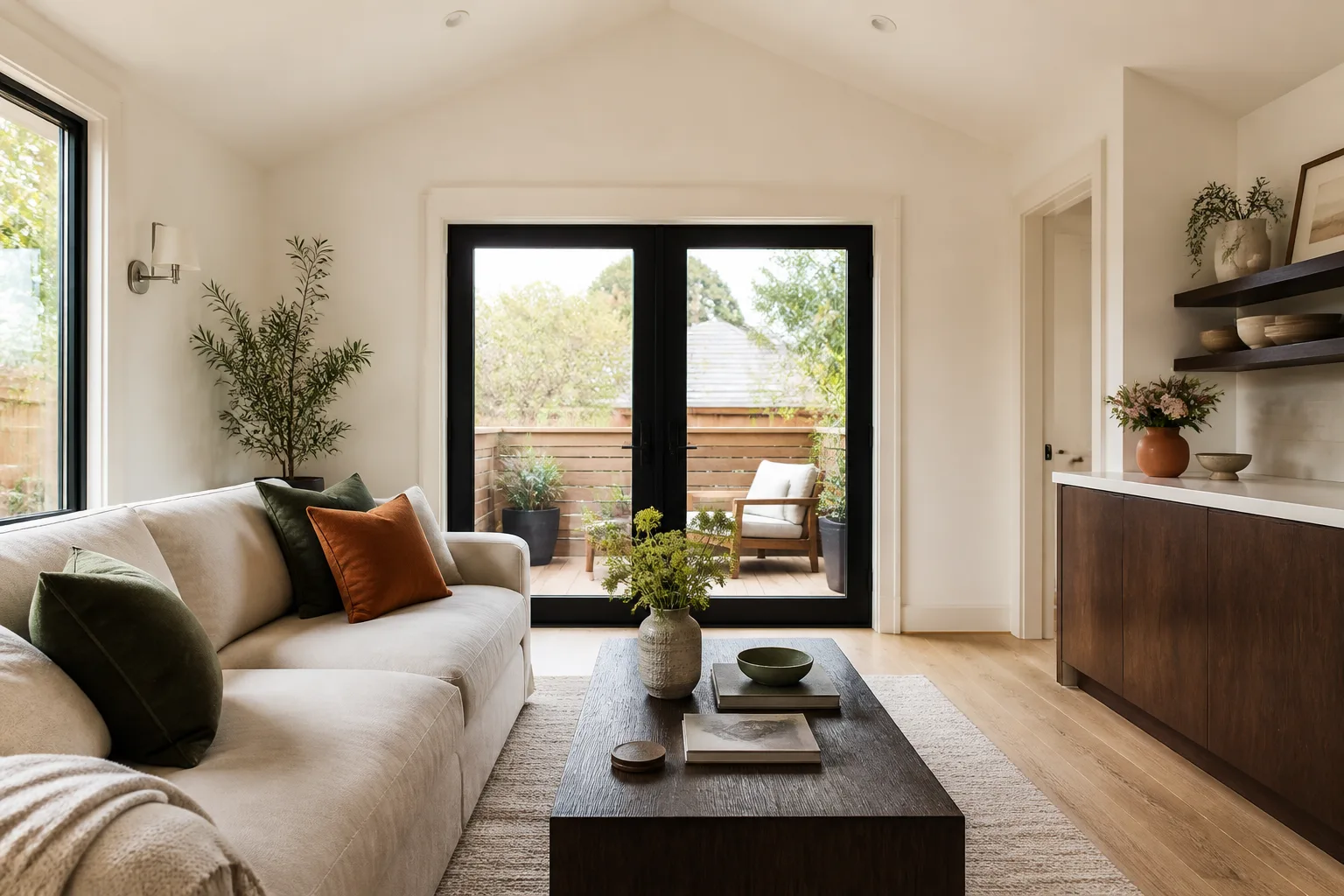
Abodu projects in San Diego typically land between $220,000 and $320,000 all-in, depending on model, site conditions, and finish level. That’s not just the unit cost, it’s everything: permits, foundation, utility connections, delivery, set, and finish work. Here’s how that number breaks down on a typical Abodu Studio or One in San Diego County:
- Site prep and foundation: $25,000 – $55,000 depending on slope, soil, and access
- Utility connections (water, sewer, electric, gas if applicable): $12,000 – $28,000
- Permit fees and school/site impact fees: $6,000 – $14,000
- Abodu unit (Studio or One, base configuration): $140,000 – $200,000
- Module set, seam finishing, and interior finish work: $20,000 – $40,000
- Site restoration, landscaping repair, and cleanup: $3,000 – $8,000
The biggest cost swings come from hillside foundations and long trenching runs to connect sewer and water. A flat lot in Mira Mesa will always land cheaper than a canyon lot in Mission Hills. Call (858) 988-6447 and we’ll put a real number in writing for your address, no obligation.
Why San Diego Homeowners Call Seedling ADU San Diego for Abodu Work
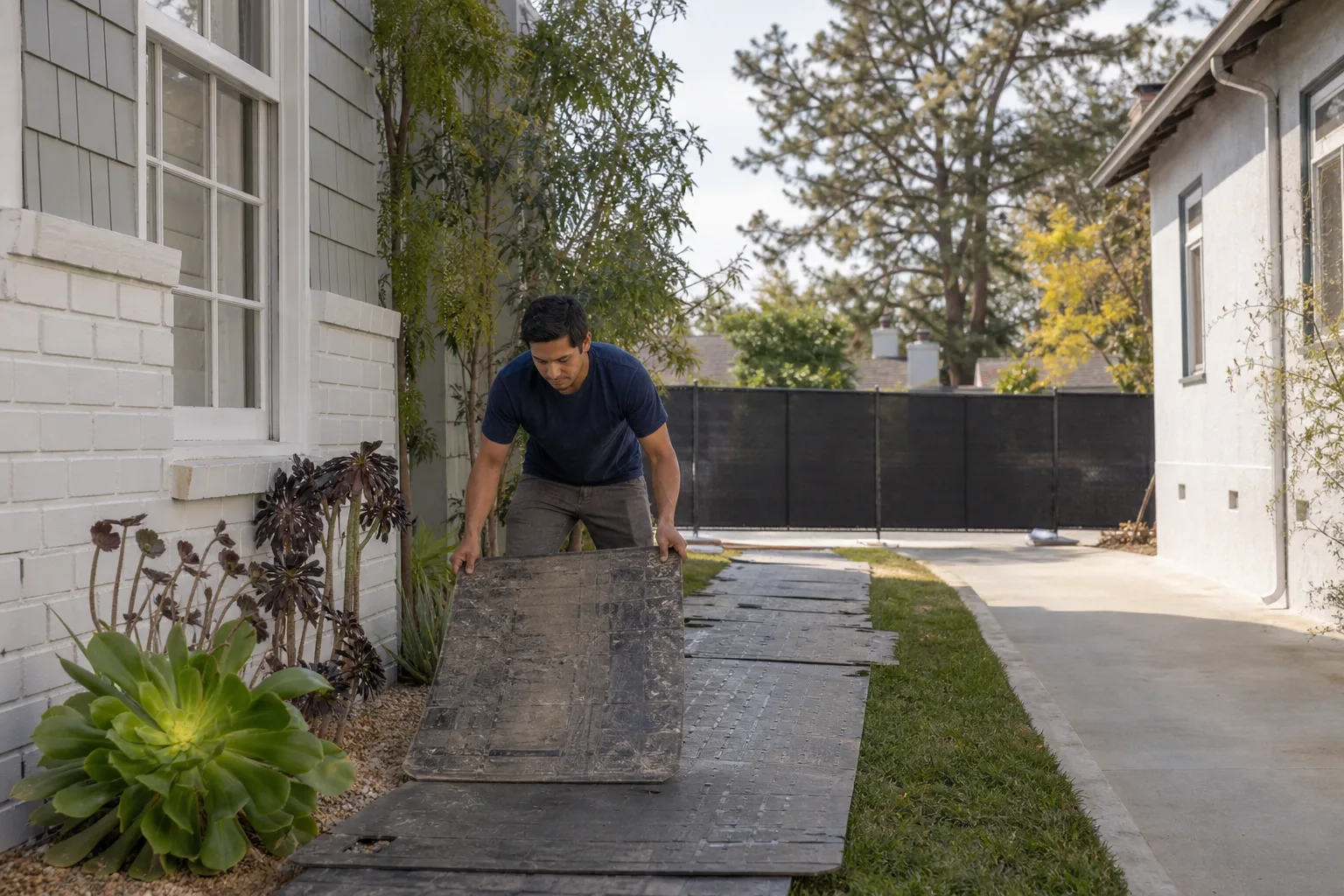
We treat an Abodu ADU as a new home on your lot, not a delivery-and-bolt job. That means the same care we give a custom ADU in Kensington applies to a prefab set in Normal Heights: clean floors, protected pathways, quiet work hours that respect nap schedules, and a photo of the cleanup before the crew leaves each day. The Cedarwell Care Promise is written into every job: shoe covers, drop cloths, pet-safe products where there’s a choice, and a live person on the phone 24/7 if you have a question mid-build.
We also work with Cover and Dvele, so if Abodu’s timeline stretches out or you realize a different system suits your lot better, we can help you make that switch without starting from zero. As an independent Abodu service provider, we’re not tied to moving one manufacturer’s backlog. We’re tied to getting your ADU built right.
FAQs
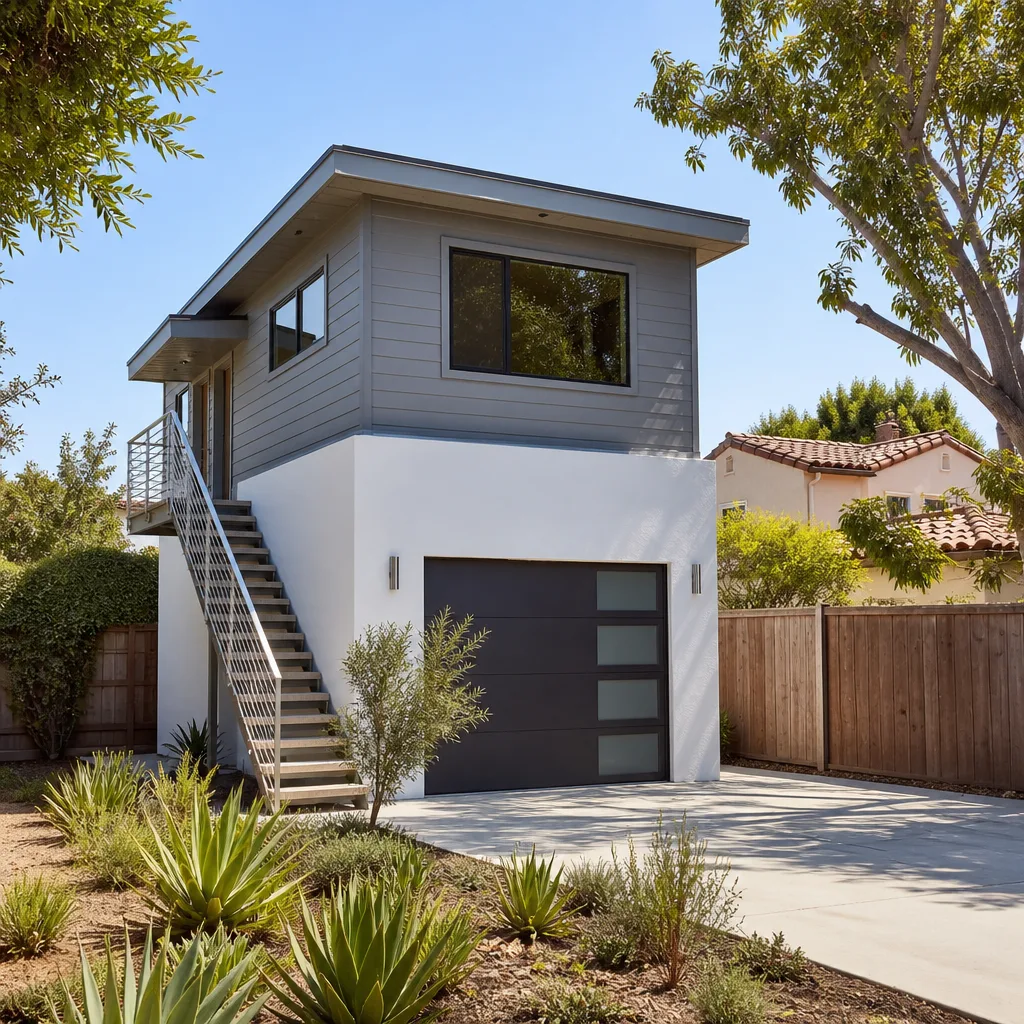
No. We’re an independent Abodu service provider, which means we install and service Abodu units but are not affiliated with or authorized by Abodu. That’s actually useful for you: we tell you what Abodu’s own spec sheets don’t, and we catch installation issues before they become warranty disputes. Call (858) 988-6447 to talk about your project.
Yes, we pull all permits, schedule inspections, and manage corrections. San Diego’s ADU permit process has gotten faster in recent years, but a clean application with complete plans still saves weeks. We handle it end to end.
Most Abodu projects in San Diego run 6 to 10 months. Site and foundation work takes 4 to 8 weeks, permit review runs 2 to 3 months depending on jurisdiction, and the factory build runs parallel to that. The module set and finish work is usually a 3 to 4 week stretch. Timeline depends mostly on your lot and utility work, not the factory.
Yes. We regularly take over Abodu units that have seam gaps, alignment issues, or foundation problems from a previous installer. We diagnose the problem, give you a written repair price, and fix it under the same 365-Day Done Right Promise. Call us before you accept “it’ll settle” as an answer.
Yes, and it happens more often than you’d expect. If Abodu’s lead time grows or your lot conditions change, we can pivot your plans to Cover or Dvele without throwing away the site work already done. The foundation and utility rough-in are often compatible across prefab systems.
Written by Ben Ortega, Owner, Seedling ADU San Diego at Seedling ADU San Diego, serving San Diego and nearby areas.